On Cities & Souls
On Cities & Souls
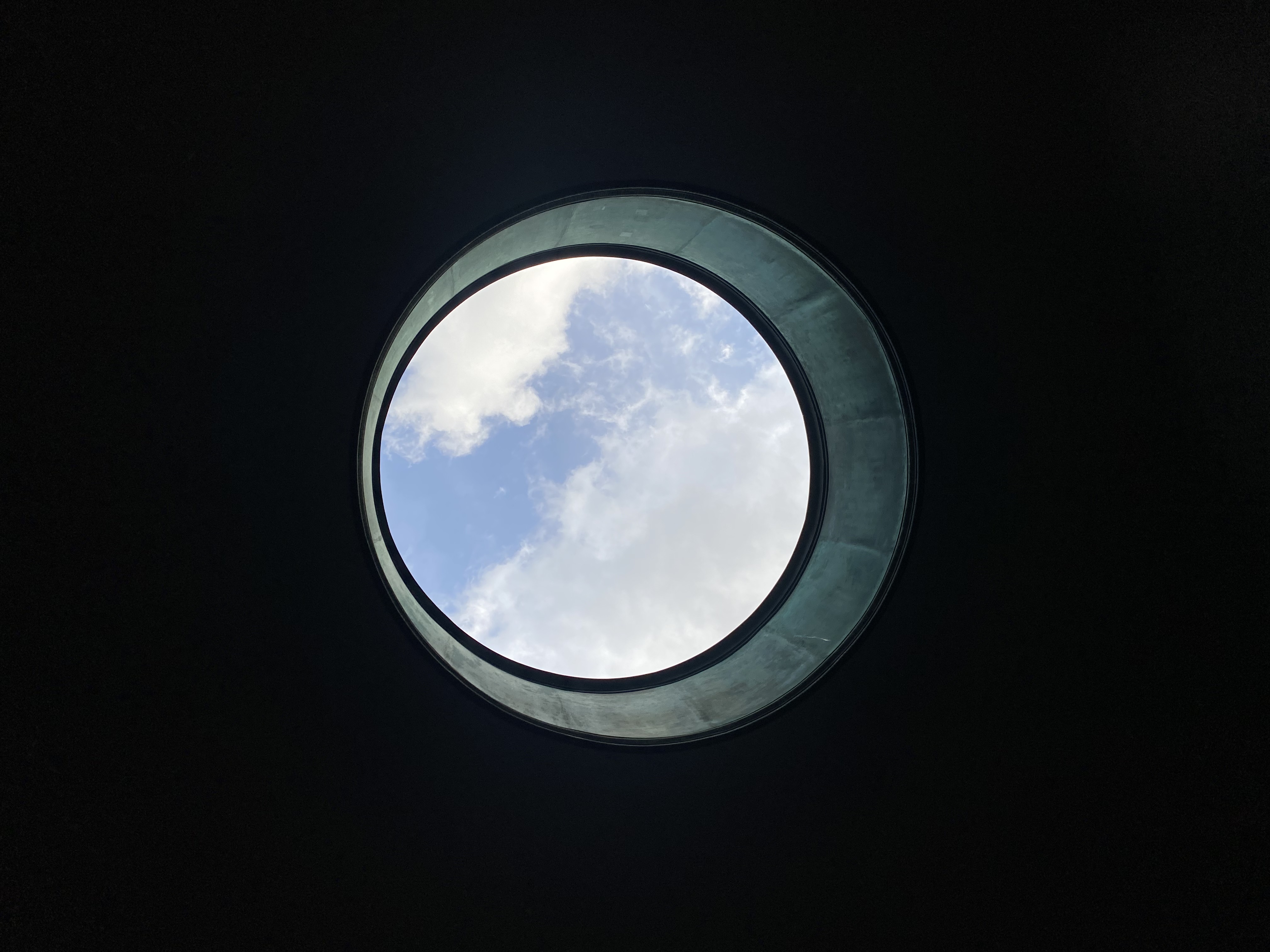
The Seven
A narrative conceit that has helped pierce the fog of my wayward twenties is a tripartite conviction of the following premises.
First: that certain cities (seven, though the number is admittedly arbitrary, talismanic) possess what one might call the souls of elder civilisations.1 These Cities stand apart from their lesser cousins by virtue of this peculiar vitality, this quality of seeming more real than mere reality permits.2
Second: the only method to commune with these souls is to live within the Cities. Neither tourism nor prolonged travel truly suffices; one must move, adapt, endure quotidian nuisances, master the transit system, develop walking routes, and establish local haunts. The hidden corners where the past bleeds into the present with the force of sentience are only accessible to inhabitants.
Third: that these genius loci, when properly approached, offer a secret, a lesson, a shard of knowledge with the capacity to transform the initiated into more complete versions of themselves. Rifling through the pages of relevant literature gestures towards the shape of the secret, but only in the flesh is it imparted.
In this essay I share my journey to find my first soul, and to unravel its secret.
Pilgrimage
My first pilgrimage — after a few years spent in the Western West wandering through university towns and coastal cities unable to locate even a glimpse of what I only vaguely knew I was born to find, searching for something I could not name, some trace of the world I had left behind or perhaps some future I had not yet encountered, though whispers from this destination had reached me long before through writers who had passed through and returned changed in ways they could never properly articulate — was to Berlin.
For those with passports or names like mine, the visa required to embark on an international journey is an obstacle in its own right, sometimes an insurmountable one. Fortunately, academic affiliations smoothed the process. It was one of the few remaining saving graces of life as a researcher during the twilight of curiosity: the occasional bureaucratic mercy, an immigration officer interested only in hearing about the niche interest one had somehow contrived into a way of life.
"I study how different parts of the brain are connected to each other..." went the rehearsed explanation, channeling an impression of a more serious scholar than I ever really managed to be, tapping my temples and occipital vertex for emphasis before tracing arcuate paths through empty space.
Visa aside, there is a particular sort of quest (a series of quests, unfolding in parallel and in sequence, heedless of logic and the typical flow of time) an itinerant youth finds themselves embroiled in when migrating to a City. A proper pilgrimage, I should add, requires a certain degree of poverty. A surplus of money unravels the journey of its knots, strips it of the texture that lends it meaning, leaving behind a forgettable canvas of comfortable abstractions painted in the broadest of strokes.
The Anmeldung
Each City is exceedingly difficult to find lodging in; demand eternally outstrips supply. I ended up picking a hybrid hotel that was set up for long-term stays, populated with a mix of collegiate Stammgäste and transient travellers. After check-in, senses assailed by a lobby that somehow hosted a barbershop, a game room, a gym, a bar, a photobooth, a restaurant, and every example of neon all at once, I received a wooden card engraved with Love is the key, which was to serve as my key, and took up residence in Room 314.
The sensibility of loud neon excess extended to the interior of the lift, which had iridescent metallic wraps covering its panels, but the long meandering corridors traversed till my door were eerily quiet, with walls painted in a dark purple that soaked up the little light that there was and turned the destination into a cave-like sanctuary.
There was scarcely any time for hermetic repose after unpacking the two suitcases that make up the sum of my worldly possessions, for I was soon tangled in a web of bureaucracy that brought to mind an elaborate Escherian construction. One could make eight trips to four different offices and find they had made absolutely no progress at all.
A simplified sketch, to spare the reader some second-hand frustration: the bank wanted an address, a phone number, and a paper from the government. The phone company wanted a bank account and a paper from the government. The government wanted the proprietor of the address to sign a form before it granted the paper; but before signing the form, the proprietor wanted the details of the bank to be assured of the regularity of remuneration. A linked list with cycles, with no fast and slow pointers to rescue me from oblivion.
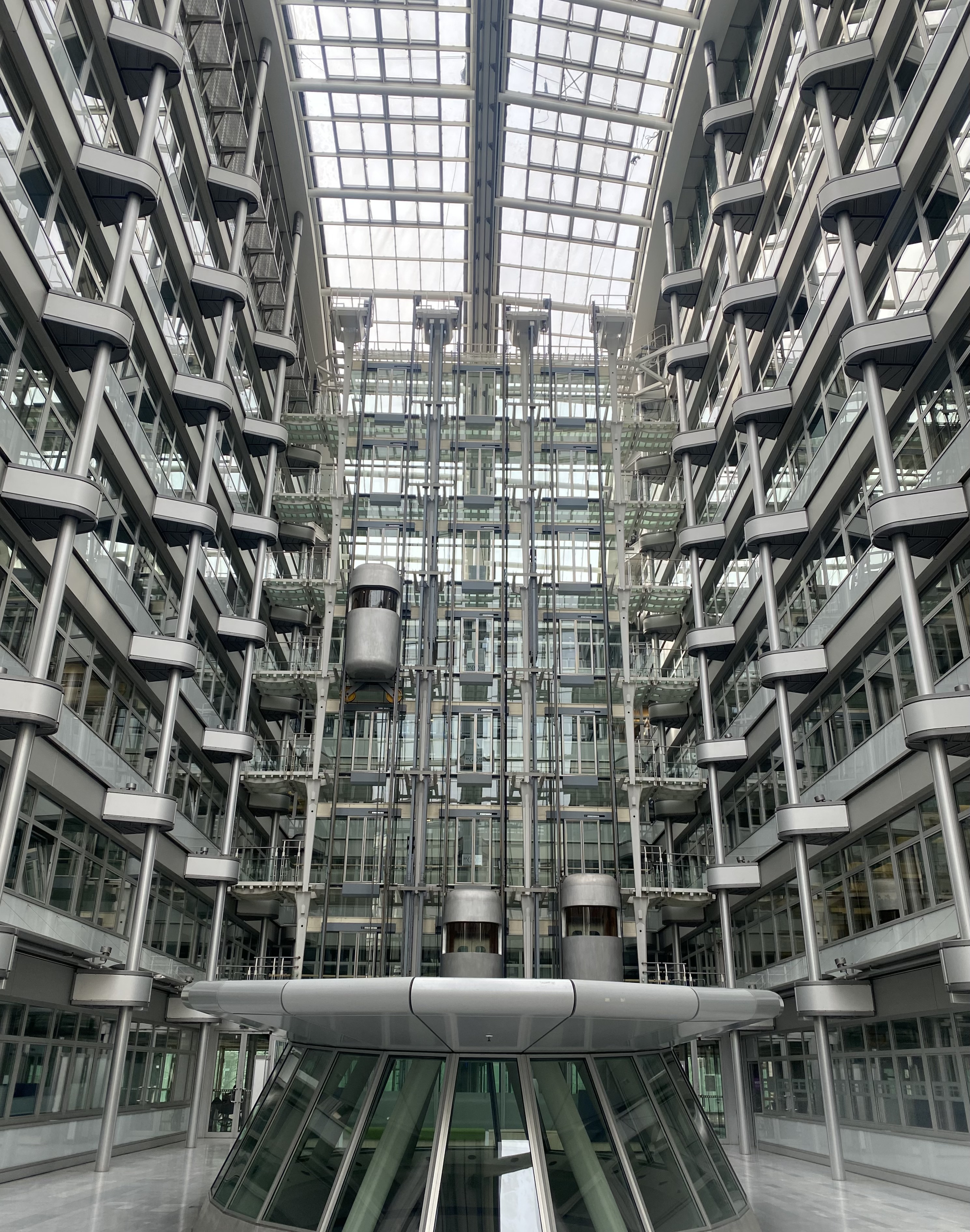
It was the saga of the Anmeldung, a word that elicits painful reminiscences from the hardiest zugezogene, or rather what I initially took to be the saga of the Anmeldung: the dispiriting spectacle of being drawn into the paperwork of a City that refuses to deign you actually exist until it has certified it in triplicate. The Anmeldung itself was only the opening movement, vexing but still intelligible. Courtesy of Max Planck, the initial immigration formalities were routed through the Business Immigration Service at Ludwig Erhard Haus on Fasanenstraße (a building so sleek it seemed to suggest that German bureaucracy might actually be a branch of applied futurism). This impression proved premature.
The true ordeal began later, in the long shadow of the Ausländerbehörde, where residence permits, Fiktionsbescheinigungen, and the right to remain were governed by a machinery far more occult: appointments unavailable for months at a time, tales of desperate immigrants keeping overnight vigils outside the offices for a chance to secure admission, and a general air of futility. While I waited for the opportunity to apply for the permit to materialise, I found myself trapped in Germany, unable to leave the country without risking the whole arrangement collapsing into administrative vapour. It was only in the spring, two months after my entry visa had expired, that a friend with a friend with a friend let me know there was a black market where slots were sold; 20 euros were all they asked for the surety of an appointment in the coming week.
The City
Time passed, the rhythm of the trains revealed itself. I lived on the U8, a line infamous amongst locals for outrage and intrigue (quite tame, to be honest, relative to the ambient symphony of clownery observed on the New York subway or the BART). My station (Jannowitzbrücke) was extremely well-connected, which made up for the urinous yellow tiles disfiguring its surfaces. I much preferred the patchwork mint-green and mint-blue of the nearby Alexanderplatz station, but not enough to brave navigating the multi-chambered belly of the behemoth. Jannowitzbrücke, as I learnt only after I moved further to the East, was a ghost station in the time of the Wall, notable for being the scene of a daring escape from East Berlin to West by a BVG track worker who knew secret passageways leading from tunnel to tunnel. The resurrected station offers easy access to both the S-Bahn, which traverses the surface, and the U-Bahn, which burrows underground, though on the U3, heedless of the subterranean bounds of expectation, one flies for a long stretch above the City.
I sometimes wish I were possessed in greater abundance with a felicity for phrases that allows the reader to seamlessly be teleported to the focal point of the author's imagination. Is it the author who must learn to travel with glyphs, to paint the shadows of the reader's mind, or is it the reader I need to learn to consider better, leaving a vantage point for them within my own subconscious while I write? Instead, we suffer the slight indignity of the vignettes that follow, bear the commonplace trick of trying to apply the principles of colour photography to text.
There was a path I walked, almost every day, while I lived by Alexanderplatz and before I moved to an Altbau in Friedrichshain.
The path began by the Spree and unfolded along the Northern Bank, from Jannowitzbrücke to Museumsinsel past Nikolaiviertel and onward to the Berliner Dom or the courtyard of the Staatsbibliothek. I sat outside the Heidi Café and ordered some iced limonade and cake. I paused by the Humboldt Forum to notice the bullet holes pockmarking the surrounding granite, remnants from the War, after climbing the vertebral concrete staircase that brought to mind the fossilised skeleton of a snake.
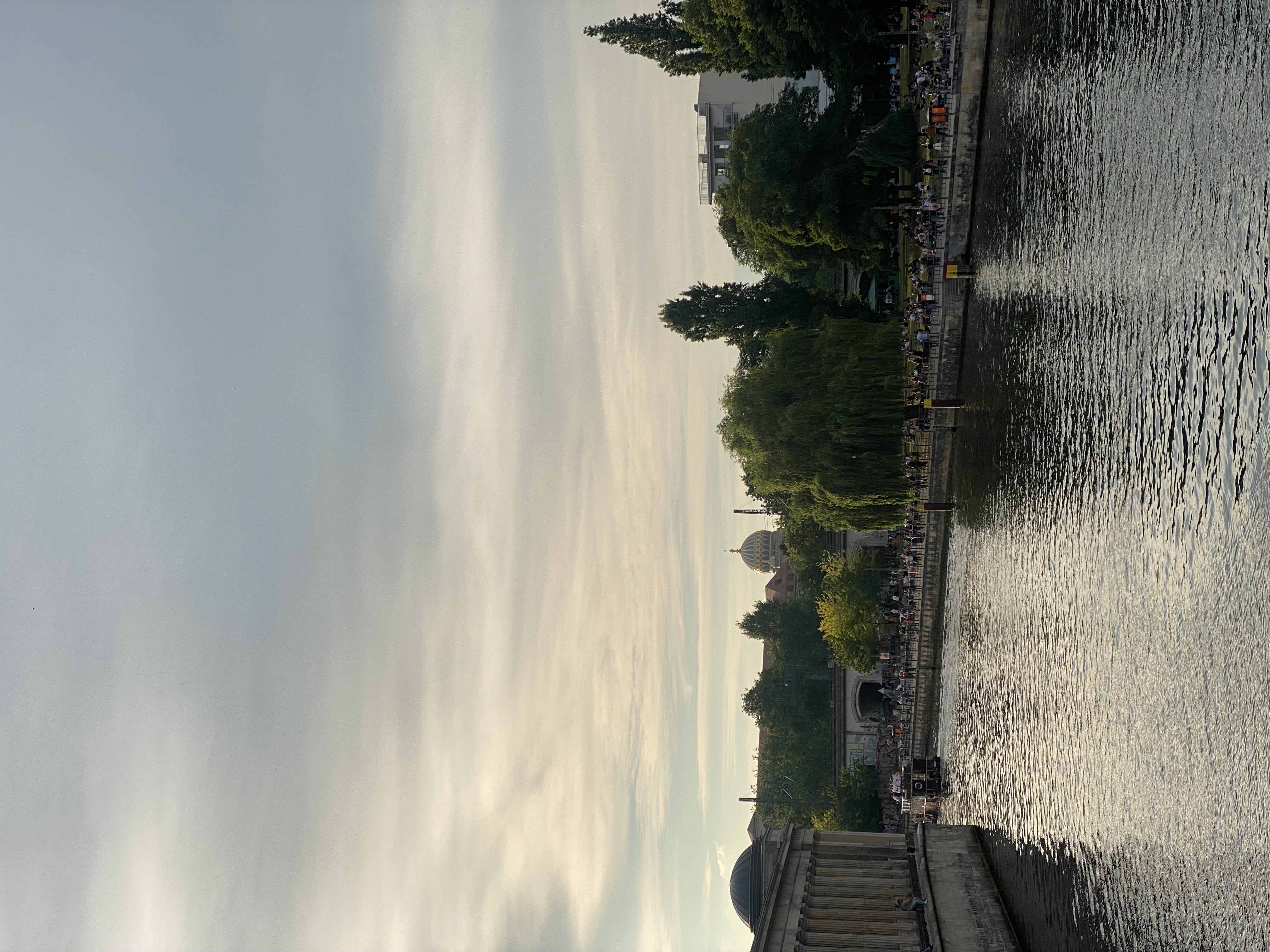
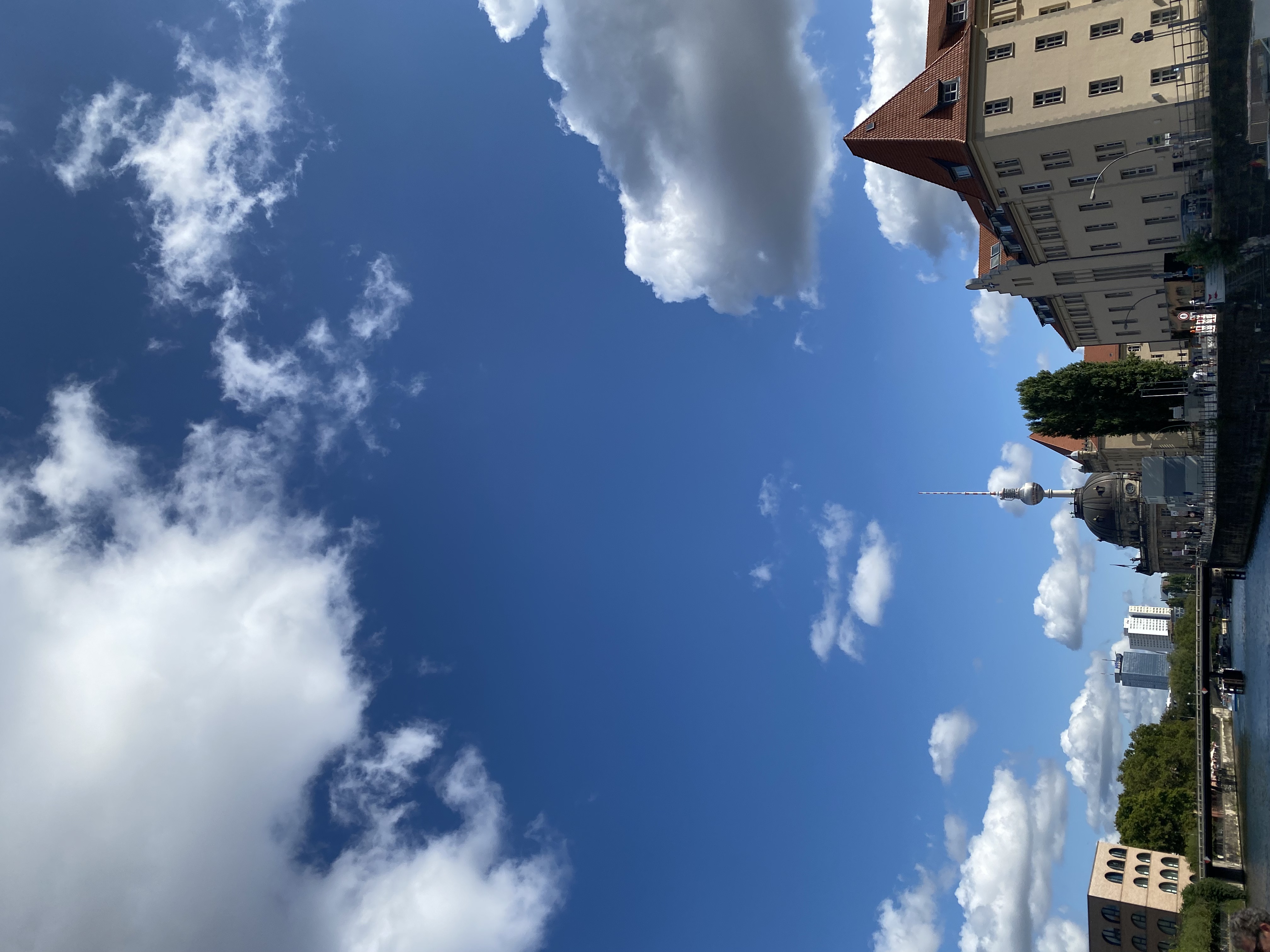
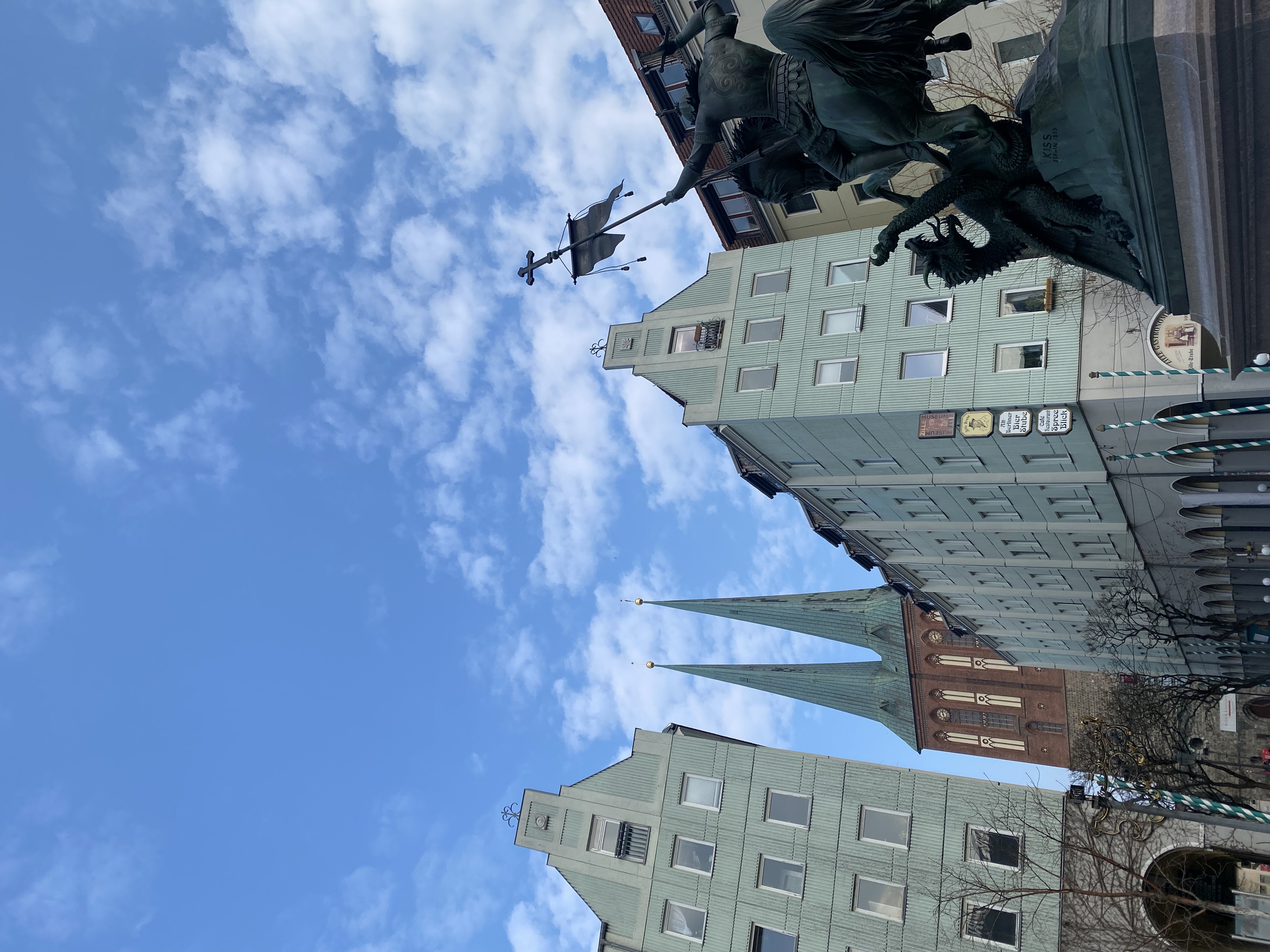
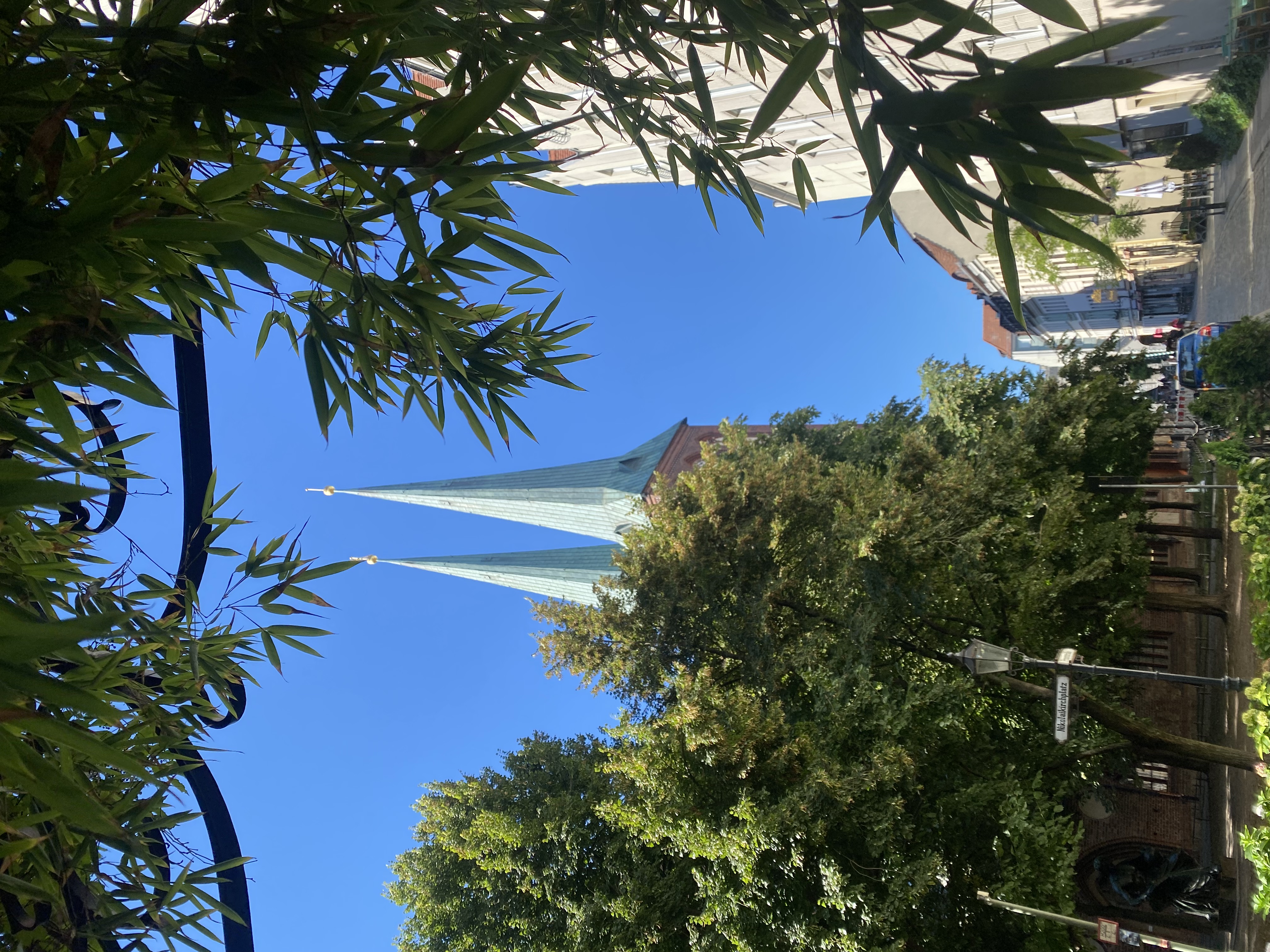
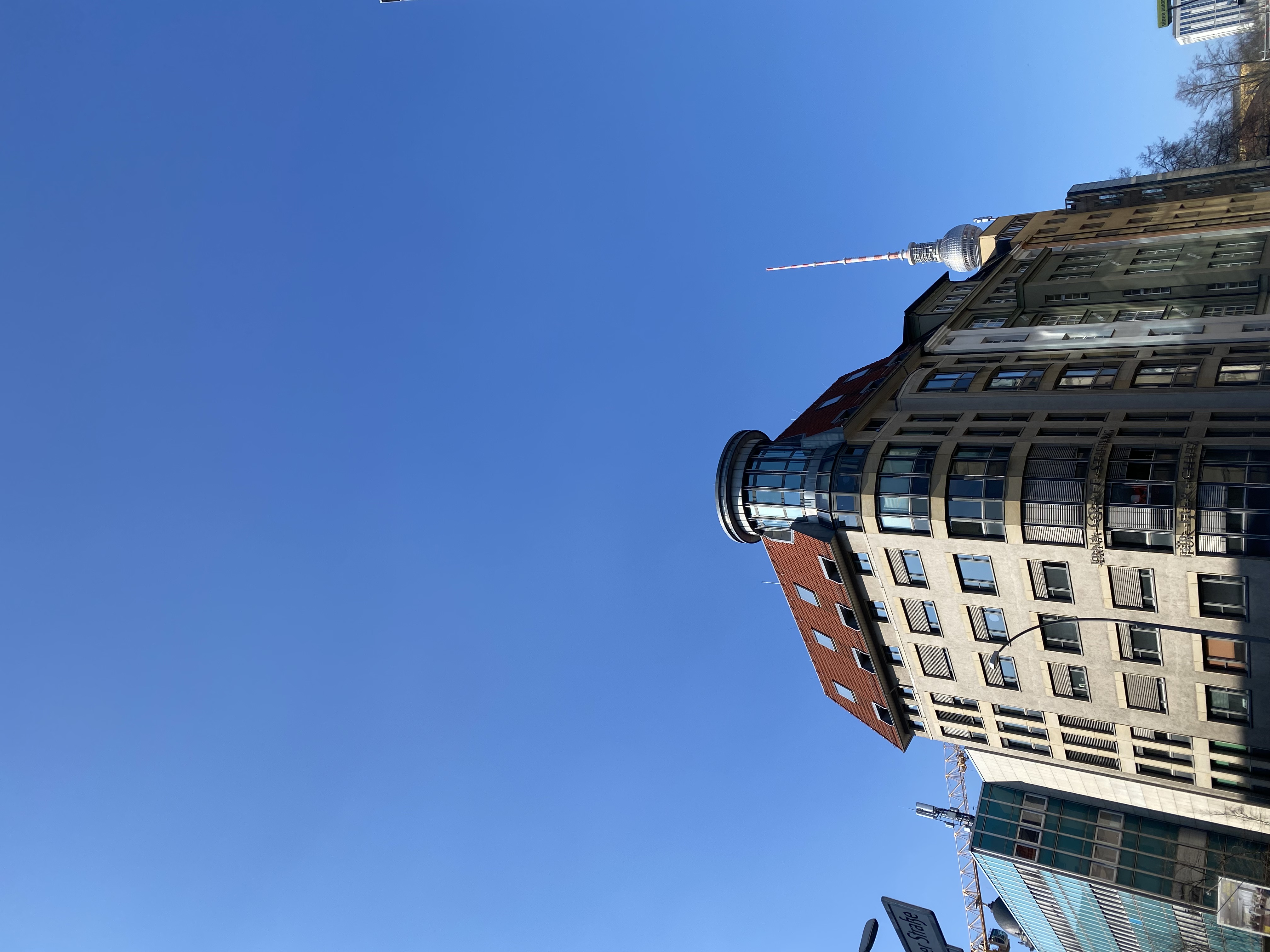
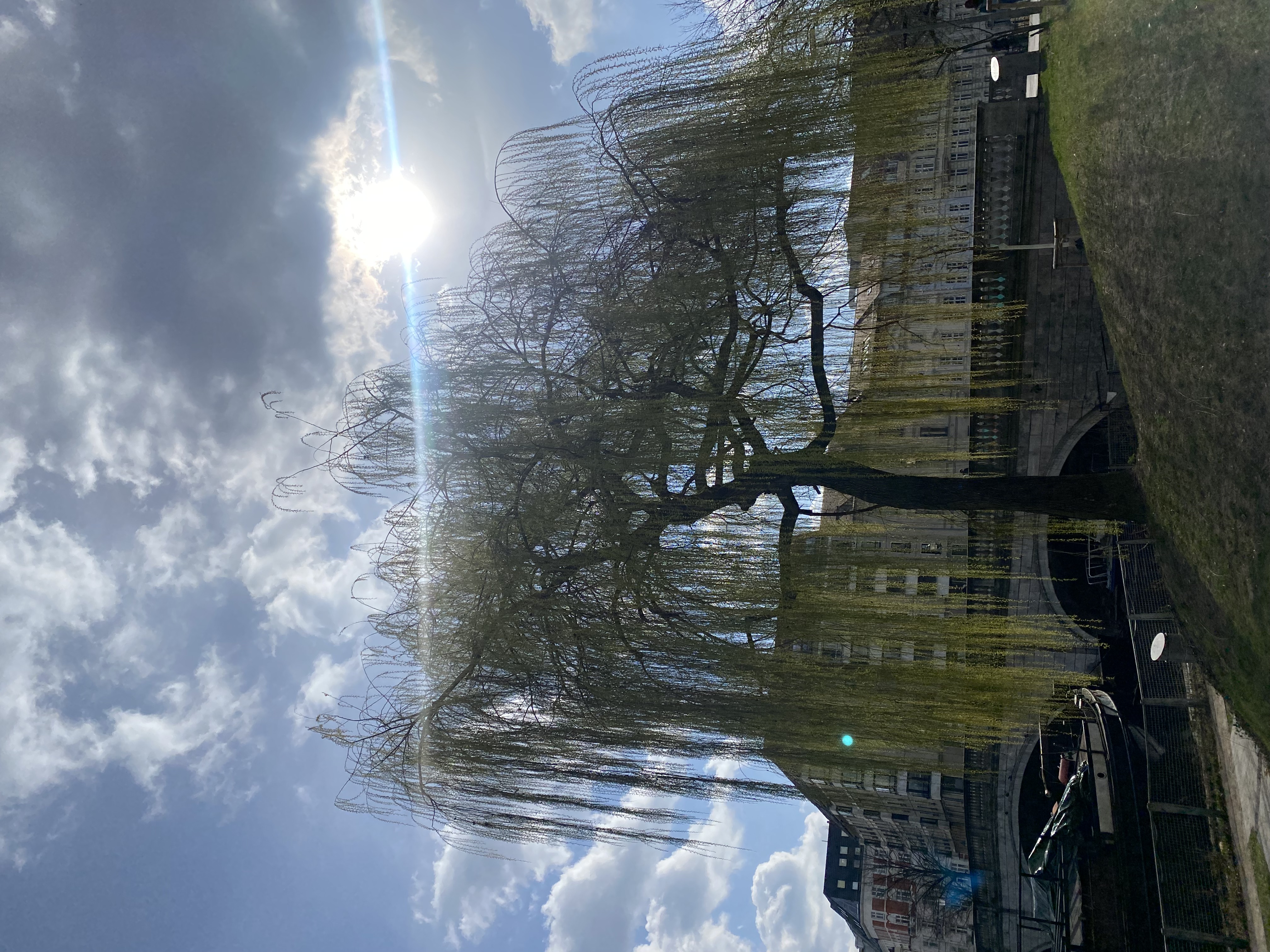
There was a particular point, by the bank, across from an alley, where the disco ball shine of the Fernsehturm swung into such an alignment that it seemed to perch on the top of a bulbous glass facade. There was a willow tree that floated on an island by the lock, graceful in its solitude and its sorrow.
Dangling precariously over the side of one of my favourite bridges over the Spree (Rathausbrücke, frequent terminus for the daily walk), I watched the sun set over the Berliner Dom with a remarkable constancy for a particularly fine stretch of existence. It was the summer of my life, and my life was in summer. Armed with my headphones and my thoughts, I studied the transition that bade farewell to day and welcomed night. The grand cathedral/crypt, verdigris crown backlit by ruby rays, seemed like the perfect sight to accompany the sad, upbeat music I listened to on repeat — on the surface a monument to the divine that could entomb a whole dynasty in its depths.
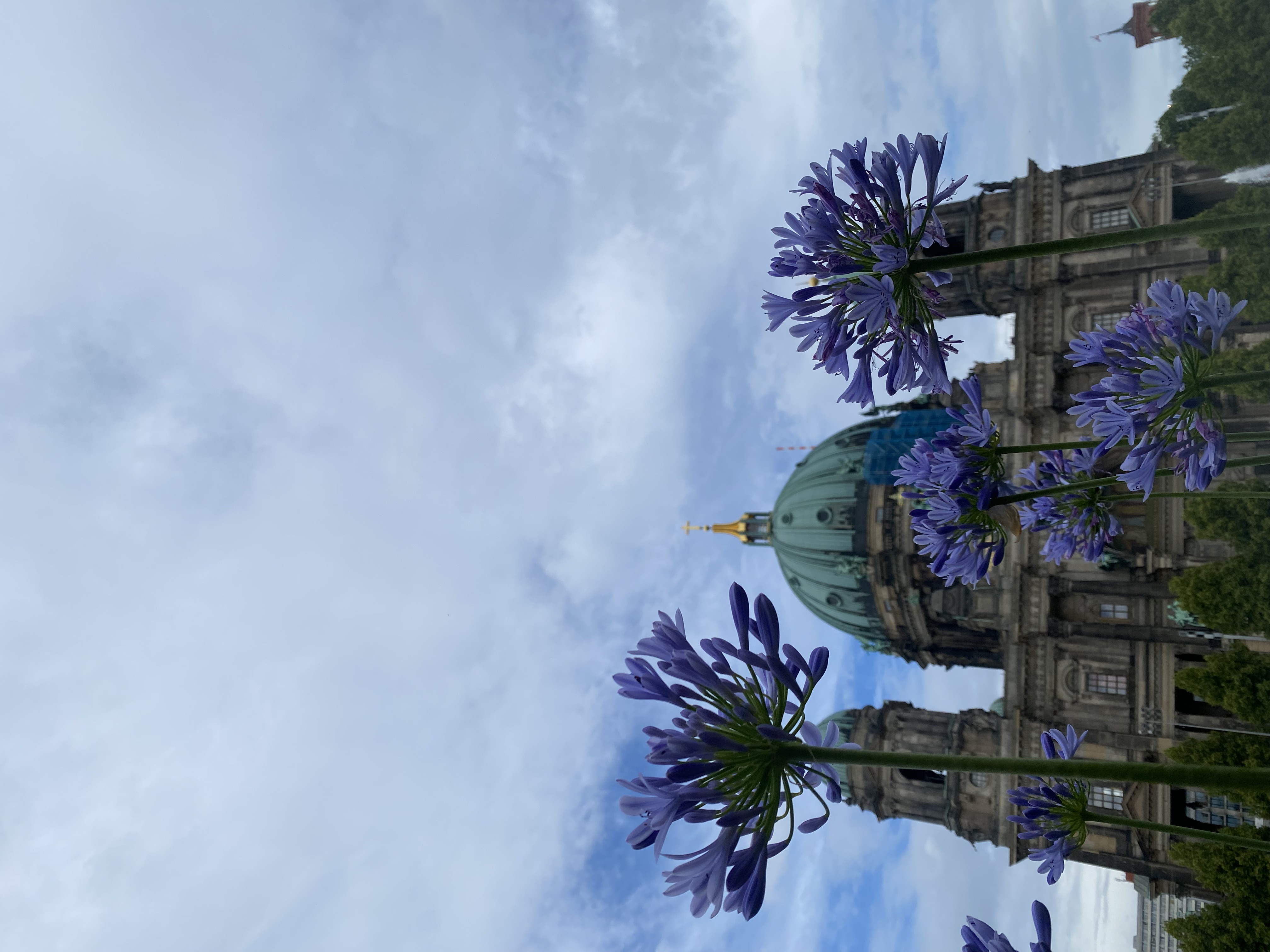
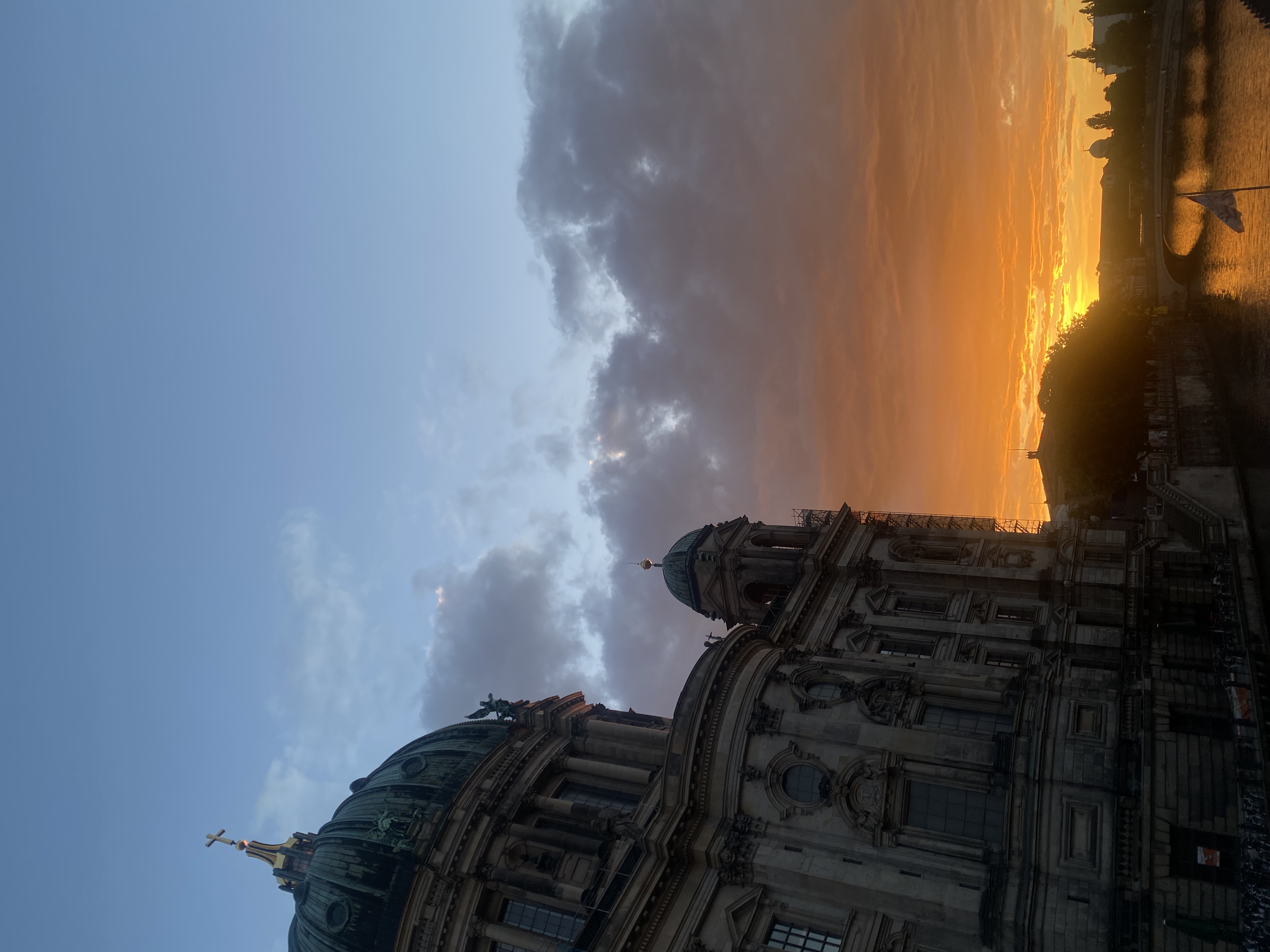
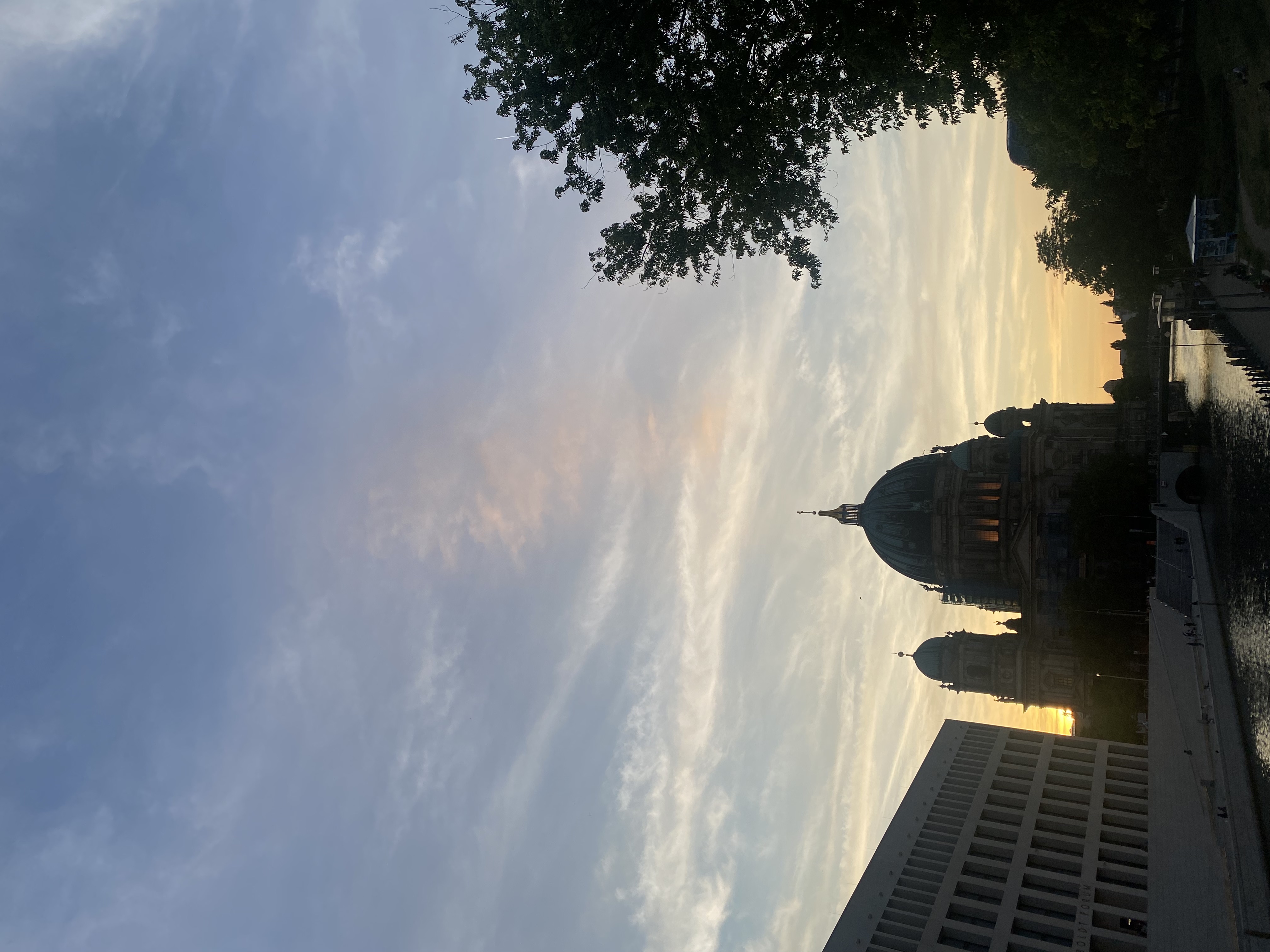
During these vigils I sometimes sensed the shadow of a much older version of myself sit down beside me. I imagined the elderly man, bones creaking, vision failing, spent of all the energies that inspired his odyssey, physical vessel utterly ruined by the depredations of time, wistfully reminiscent of the walk as it was walked then, the sun as it had set then, in the spring and summer of 2024. "The colours of youth taste sweetest against the bitter black backdrop of the certainty that they are fleeting", he might have whispered once.
A few friends from a past life texted to ask what it felt like, then, to live in a City. I try to refrain from quotation, but there was this fragmented section I had a screenshot of that served to convey something of the phenomenology of it all, of surfing a wave with oblivion nipping at the heel and posterity beckoning ahead, each moment perfectly calibrated for it to be coming together at the same rate it was all falling apart, that I replied with:3
It seems like a lifetime, or at least a Main Era—the kind of peak that never comes again. [...] Maybe it meant something. Maybe not, in the long run . . . but no explanation, no mix of words or music or memories can touch that sense of knowing that you were there and alive in that corner of time and the world. Whatever it meant. . . . Hunter S. Thompson, Fear and Loathing in Las Vegas
The People
On occasion, border control officers, after inspecting my profile on their mysterious database, inquire why I travel so frequently. I never get the chance to answer properly, to broach the fundamental drive, but it goes along these lines: as I age, I increasingly find myself suspecting that I may have sampled all the principal components of humanity. That all social interactions are doomed to be muffled remixes of notes I already heard the purest renditions of when I still flitted effortlessly between the interstices of time, before I came face to face with mortality (the indignities of being clothed in flesh). It is in these existential doldrums I develop an urge to move, to chart a different frequency band, and to re-discover that whole genres of mankind remain to be unlocked.
By the time I unpacked in Room 314, having lived in South Asia, the Middle East, and America, this suspicion had calcified into something close to a worldview. Berlin shattered it near instantaneously. It overwhelmingly attracts characters that find in each conventional locale a receptacle for living death, whose spiritual metre escapes characterisation by a universal metronome.
The frenzied graffiti adorning all the walls and the intricate flowing tattooed skin of the residents (often like the acanthus leaf adorning the stately columns of preternaturally long limbs) appeared under dim lighting to blend, providing camouflage that enabled perfect strangers to materialise out of nothingness for conversations at my favourite local haunts seemingly whenever I felt the need for company. Everyone does everything alone in Berlin, which paradoxically makes it difficult to actually experience isolation for long.
But companionship in Berlin is predicated on suffering. It is a Faustian City: everything it gives exacts a price, and the first price I paid was in the denomination of winter.4
The Winter
Winter in Berlin is misery brought to life. I hesitated to write about it so far, though it was the labyrinth I traversed; the gauntlet a certain kind of man must endure to emerge (extremely scathed) as one damaged enough to dream of creating canonical things.5 It served as my first real induction to sorrow.6
One forgets the sun exists, comes to doubt it ever shone, begins to wonder whether the world ever possessed colour at all. Warmth, happiness, comfort feel like figments of the imagination as the naked trees reveal their most sinister branches. As the year turns and the cold climaxes, the City empties out until even the sun-soaked expanses by the Spree from a few paragraphs ago take on the demeanour of the Styx. There is nothing quantifiable, no data I can provide, a particular level of the pyranometer or reading on the wind chill index that can quite capture the bleak horror of the setting.
The Secret
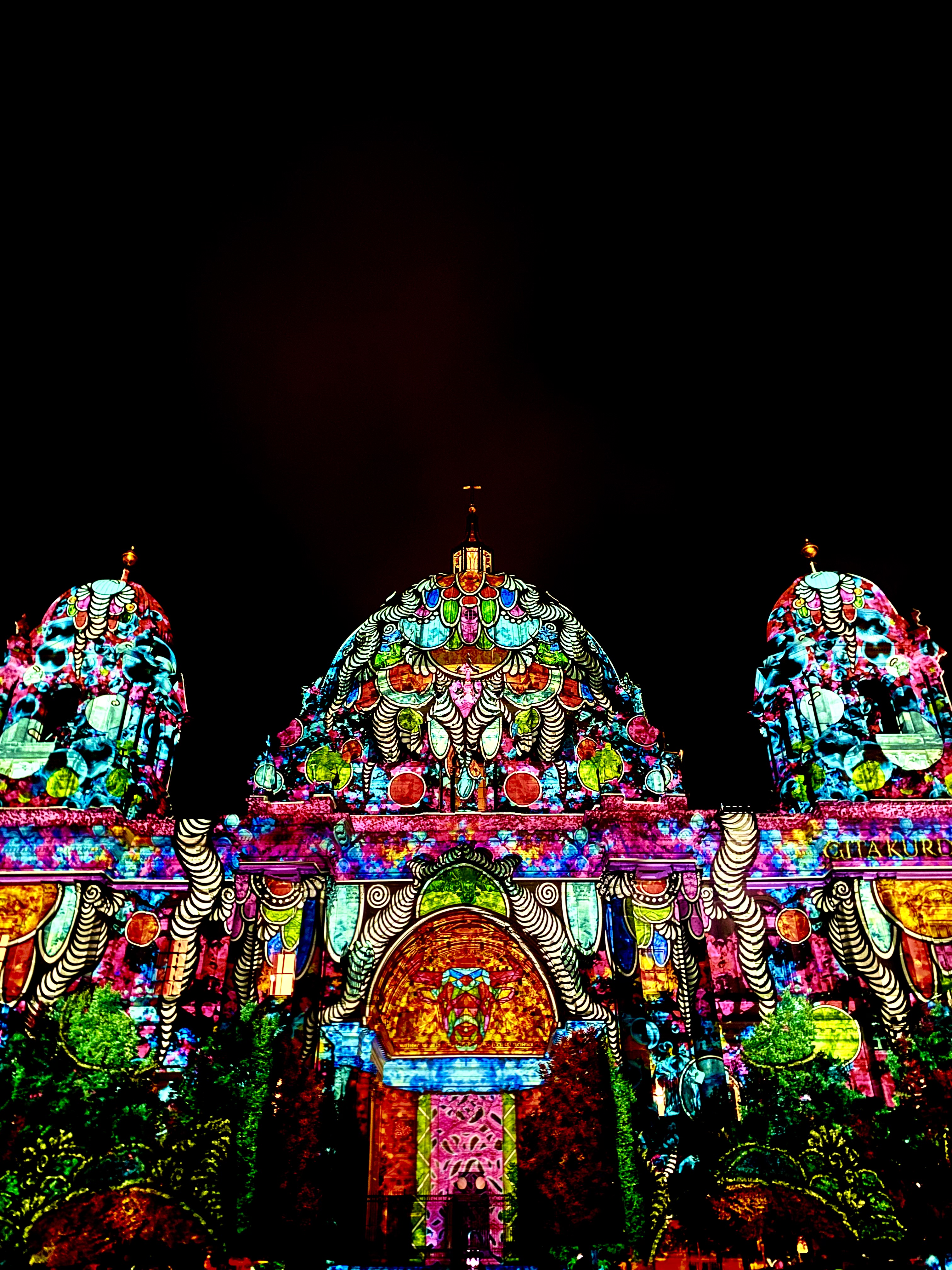
The soul wasn't at the Secret Location in Neukölln, nor in the shadow of the Oculus on Unter den Linden, nor at any of a score of places spanning the kiez where I sometimes sensed its proximity. It held court instead at the border between Friedrichshain and Kreuzberg. Inside, there was a hue of blue so transcendentally beautiful and bright it made me think the filaments of heaven itself had finally been struck alight.
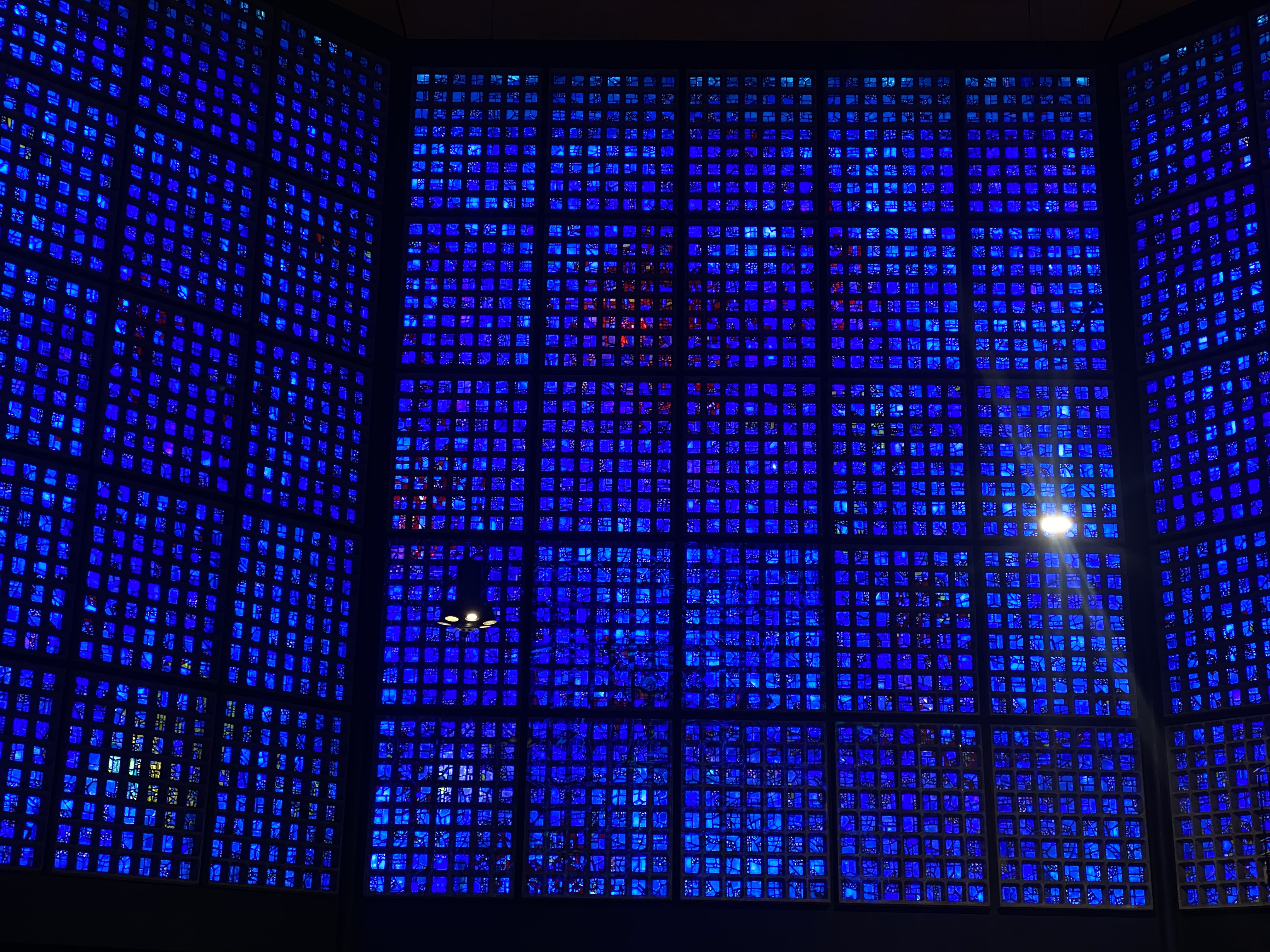
What was the secret? I have tried, in drafts that will never see the light of day, to dress it up in the borrowed plumage of conversations fictional and real, and each attempt succumbed to the same critical failure: the words sketched a caricature of the shadow cast by the thing rather than the thing itself. Plenty of such accounts exist; all feel like sorry simulacra. I would sooner disappoint you by ending in aporia with a cryptic clue or two than join their ranks.
All that really remains from my years in Berlin, aside from an abiding fondness for its native hypnotic music, is a sort of aphoristic residue, a lesson meant to disappoint all save those who know, between this line and that line, what really lies between the lines:
Perhaps there is a reason some of the beauty of this world is hidden from the naked eye.